Menu

HomePrivacy PolicyCookie PolicyTerms and Conditions
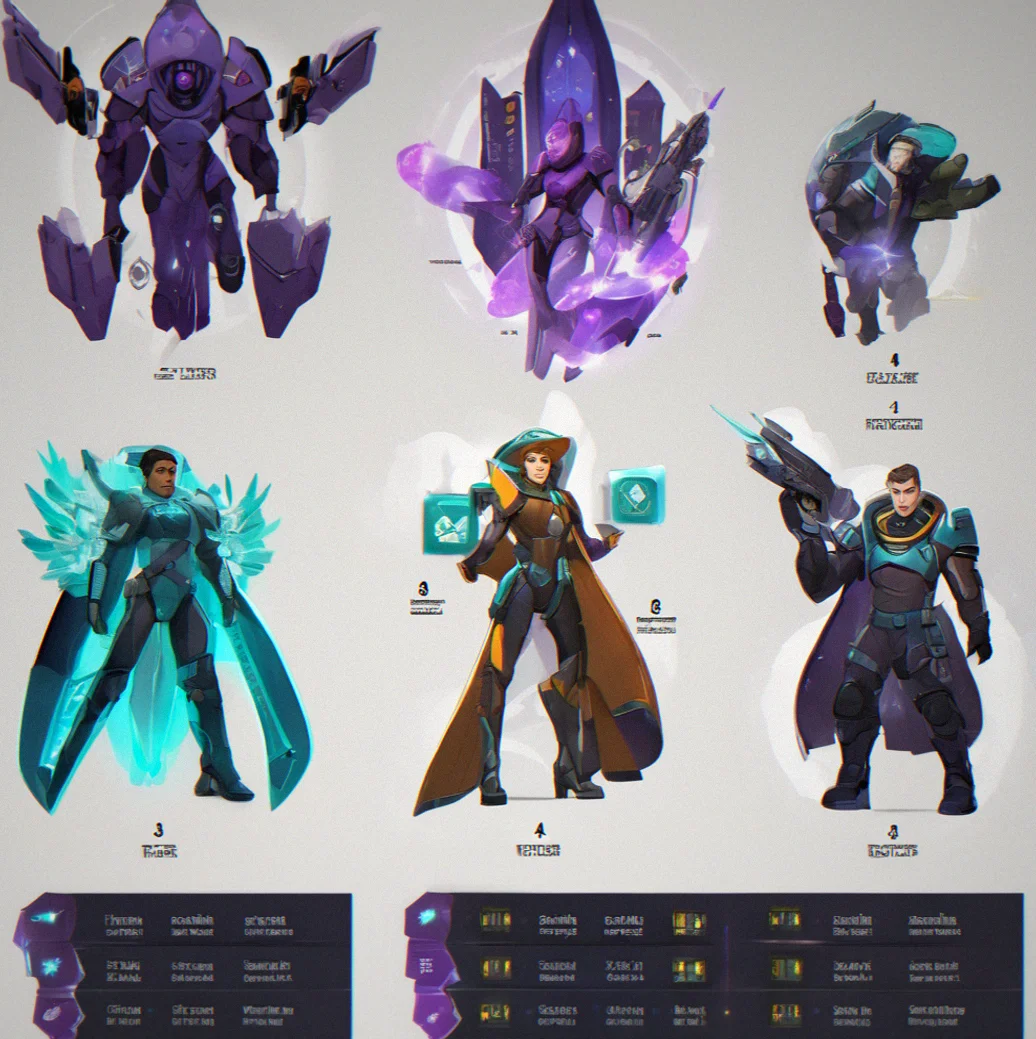
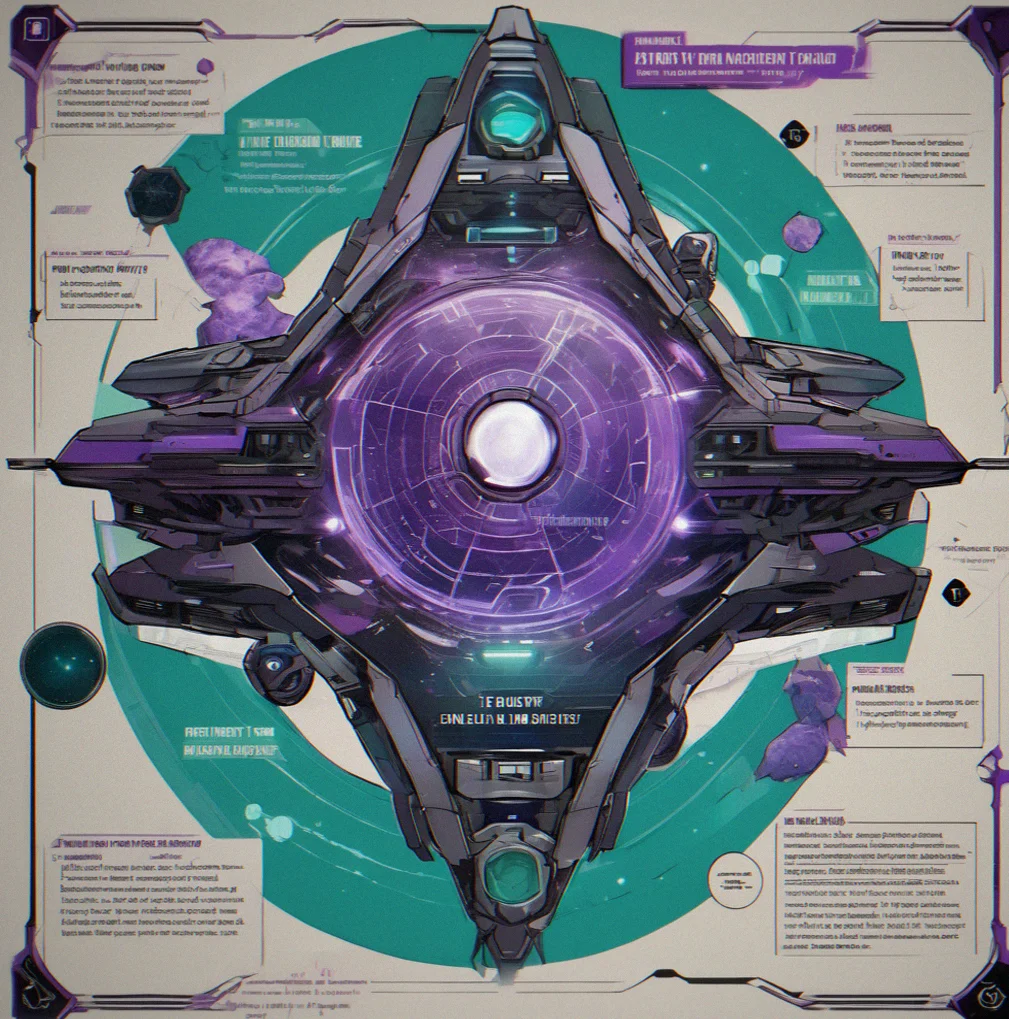
A Void Syndicate commander surrounded by corrupted warships as the galaxy tears itself apart
Five factions. One galaxy.

Take comkand of the void. Make your mark.

Stellar Deck combines competitive deck building with deep sci-fi lore. Every card exisst for a reason—the mechanics actually tie back to the world.

Play across five factions with ranked ladder progression, works on phone and desktop, and a story that backs up every game mechanic.

The Void Syndicate leans into sacrifice and synergy. Celestial Collective uses orbital positioning as their angle. Rogue Corsairs steal and adapt. They don't just look different—they play by completely different rules. You're not grinding card stats. You're learning how each faction thinks about the galaxy. Seasons run every couple of months. Climb from Cadet all the way to Admiral, and your rank unlocks choices that actually change what happens next season.

Get it nowSee the factions

Why Stellar Deck Feels Different

Four pillars that separate this from every other digital card game.

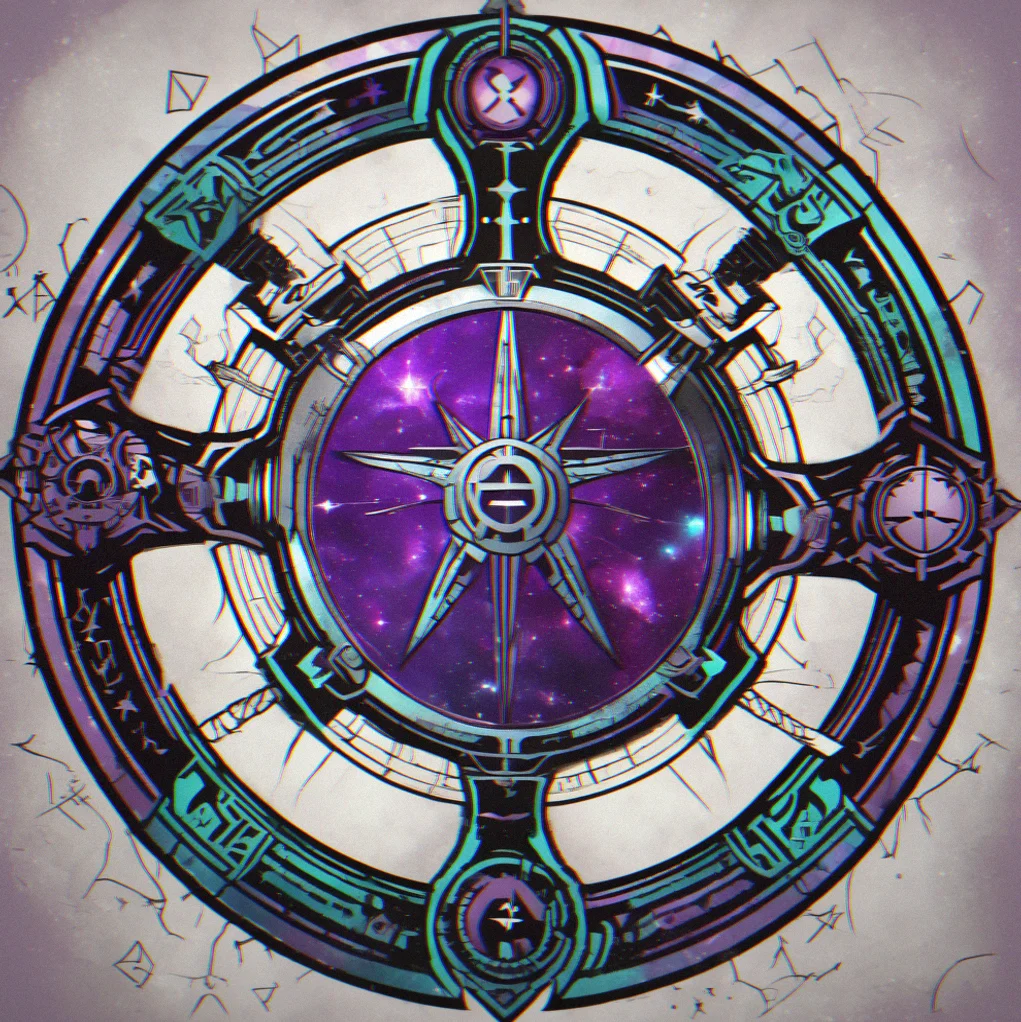
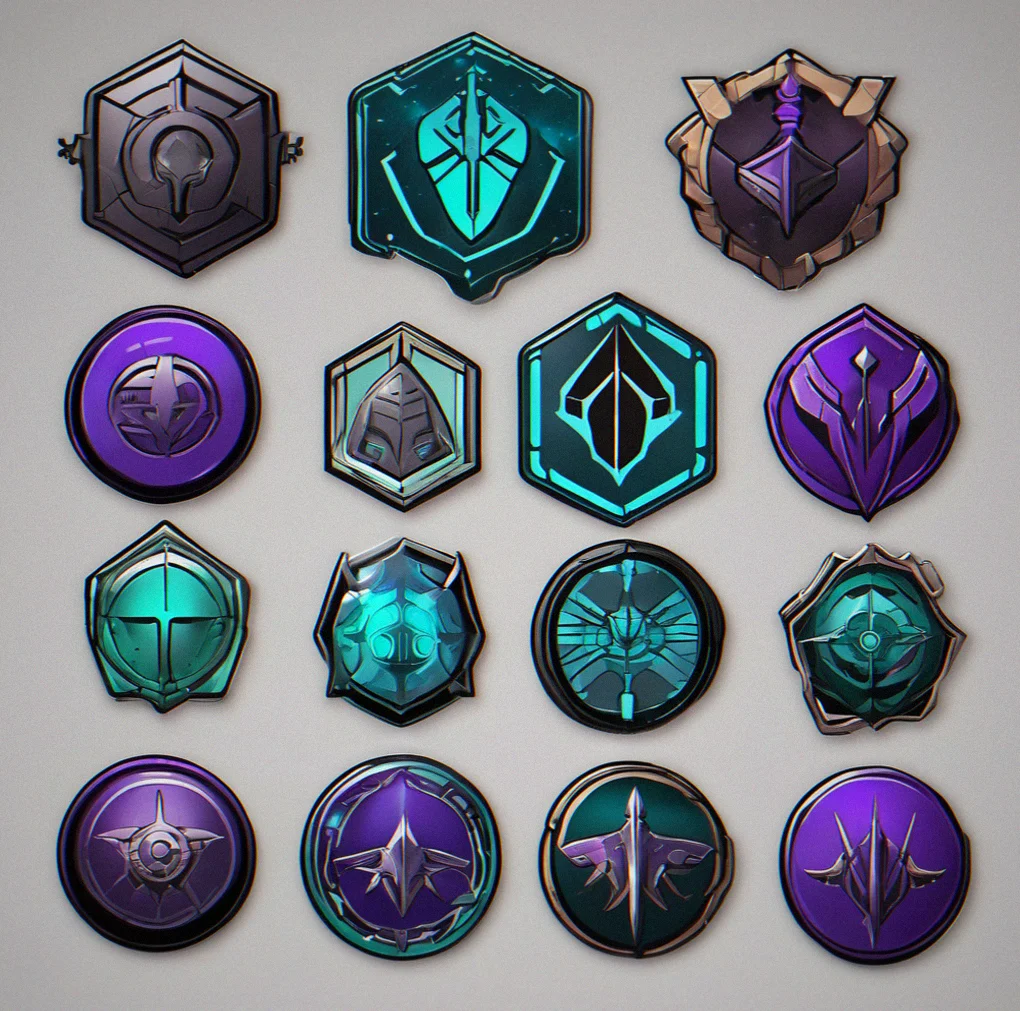
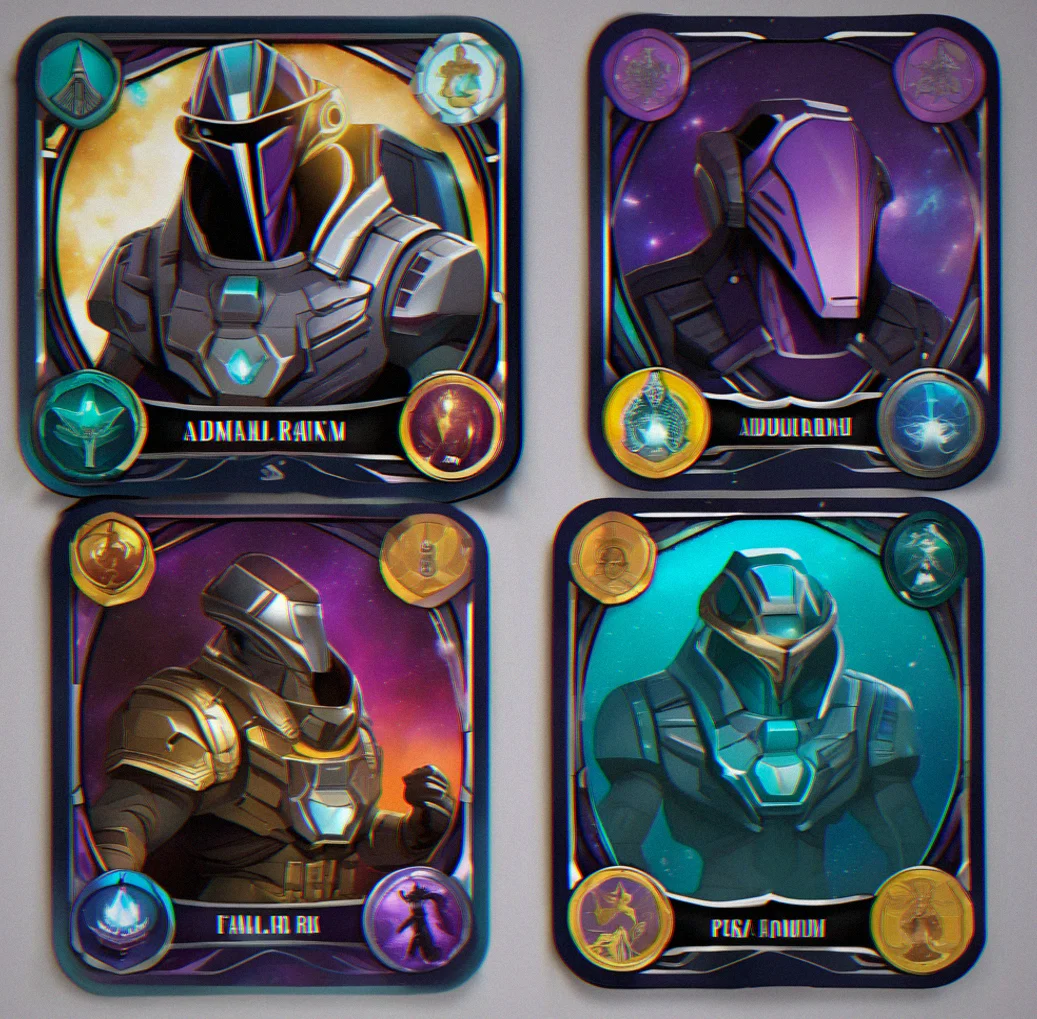
Five faction emblems arranged in a circle: Void Syndicate corruption symbol, Celestial Collective orbital ring, Rogue Corsairs skull and crossbones, Ironbound Legion mechanized cog, and Luminous Order radiant star

5 Factions. 5 Completely Different Rule Sets.

Void Syndicate plays nothing like Rogue Corsairs, and that's entirely on purpose. They're built on fundamentally different mechanics. With Void Syndicate you're sacrificing creatures to fuel corruption synergies. Celestial Collective positions cards in orbital lanes where line-of-sight actually matters. Corsairs are plundering from your opponent's deck. Each faction has its own resource system, its own win condition, its own strategic philosophy. Learning one teaches you one game. Switch to another and you're basically starting over.

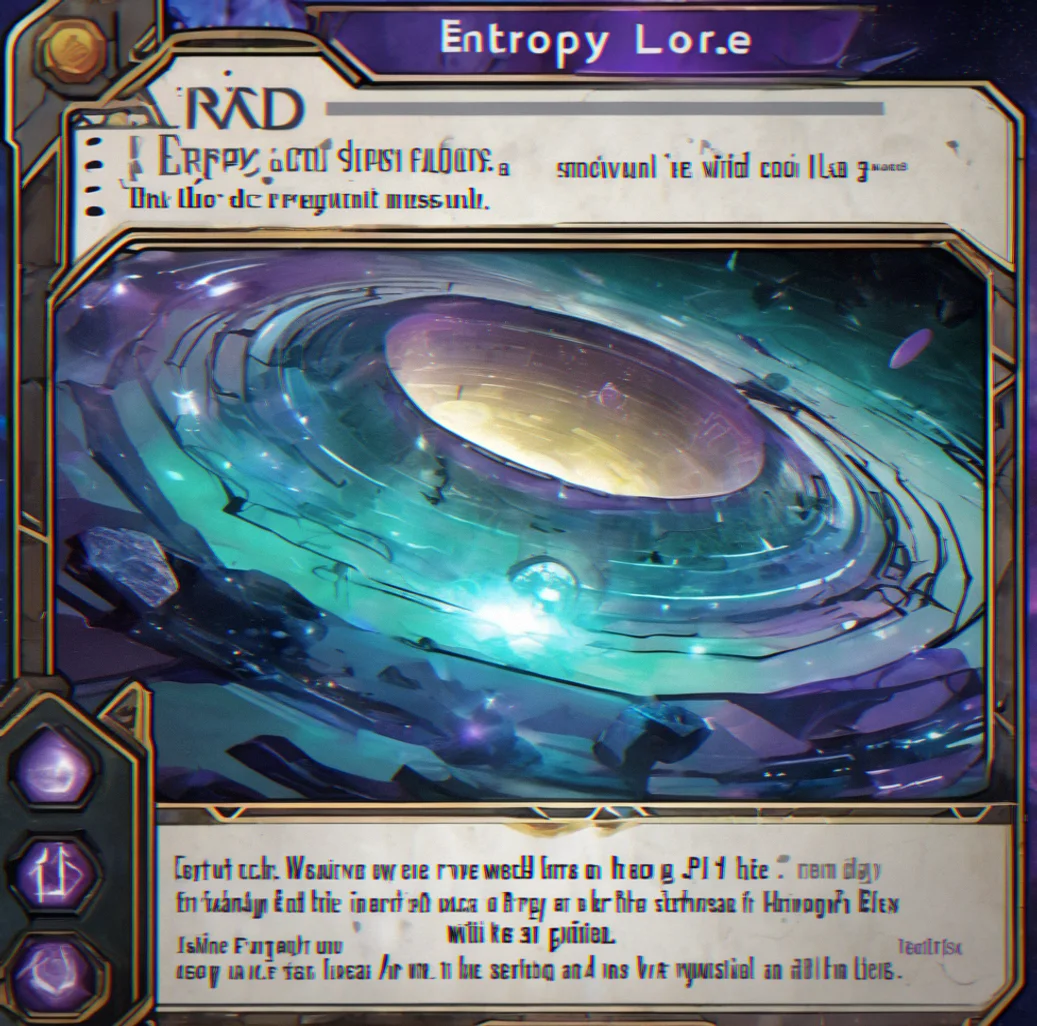
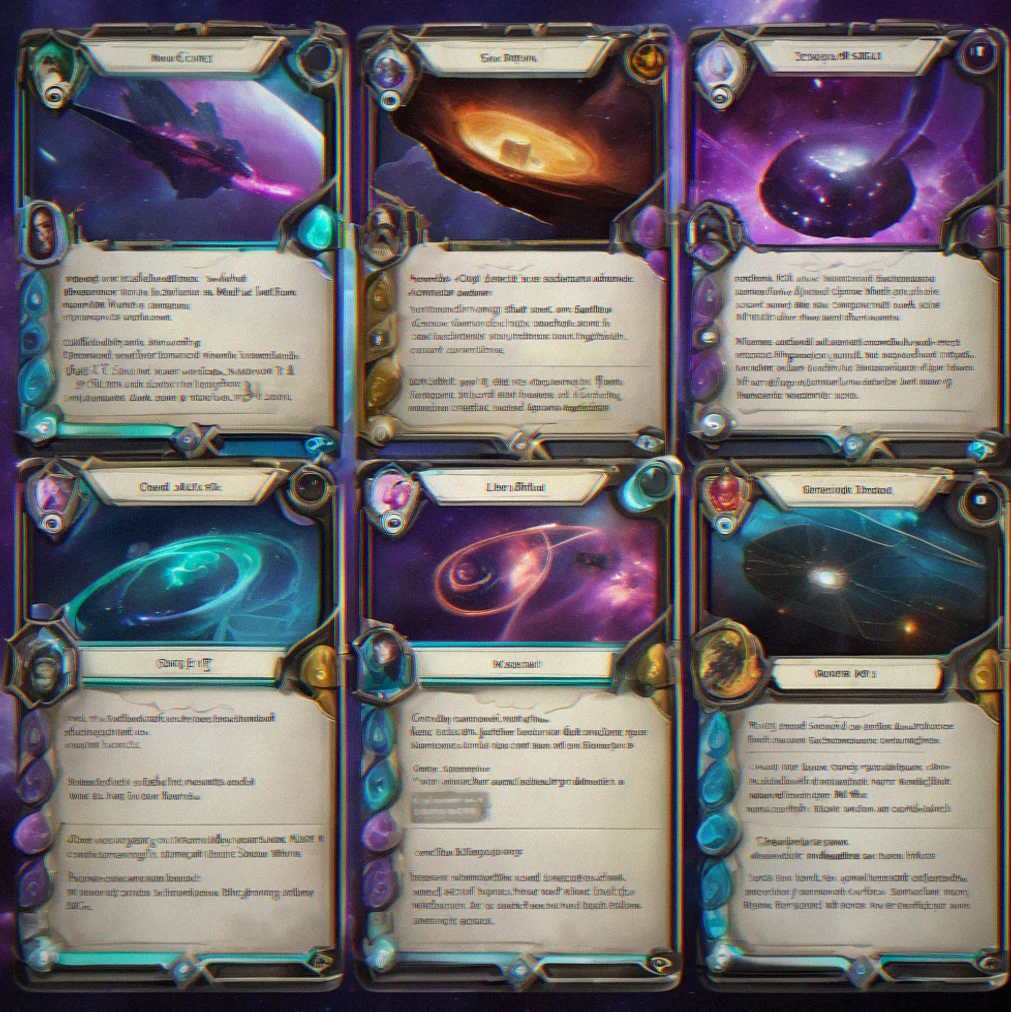
Close-up of an Entropy Echo card showing corrupted void energy spiraling around a shattered artifact with lore text explaining entropy harvesting

Lore That Explains Mechanics

Cards aren't just isolated mechanics floating in space. Take the Void Syndicate card "Entropy Echo"—it's not randomly "sacrifice a creature, draw two cards." It exists because the faction's whole cosmological thing is that entropy, the universe's natural equilibrium, can be harvested and weaponized. That's why it scales with other sacrifice outlets. That's why Corsairs have a compleetly different draw effect based on theft instead of destruction. Understanding that framework actually makes you better at building decks because you're not just memorizing a list of stats. You're extending a universe's internal logic.

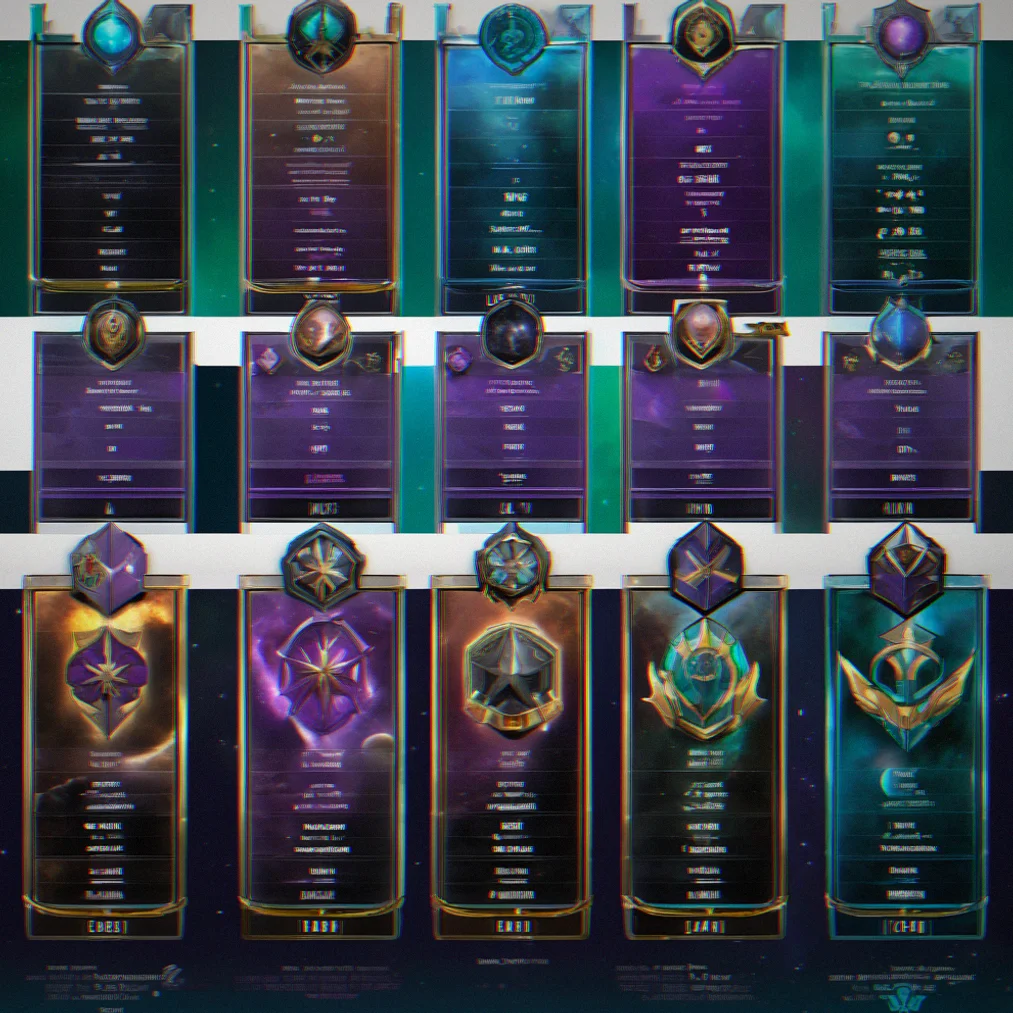
Vertical rank progression ladder showing insignia upgrades from Cadet through Mid-Tier Commander to Admiral, with seasonal cosmetic rewards

Ranked Ladder. Real Seasonal Stakes.

You climb from Cadet up through the ranks to Admiral every 8 weeks. Whatever your highest rank that season, it locks in cosmetics, wildcard materials, and narrative unlocks tied to that faction's story arc. Only a small portion of players hit Admiral each season—the exact number shifts depending on meta changes and new releases. The matchmaking system runs MMR separately from your visible rank, so climbing feels like something you actually earned but never easy. You'll run into skill walls. You'll figure out what went wrong.

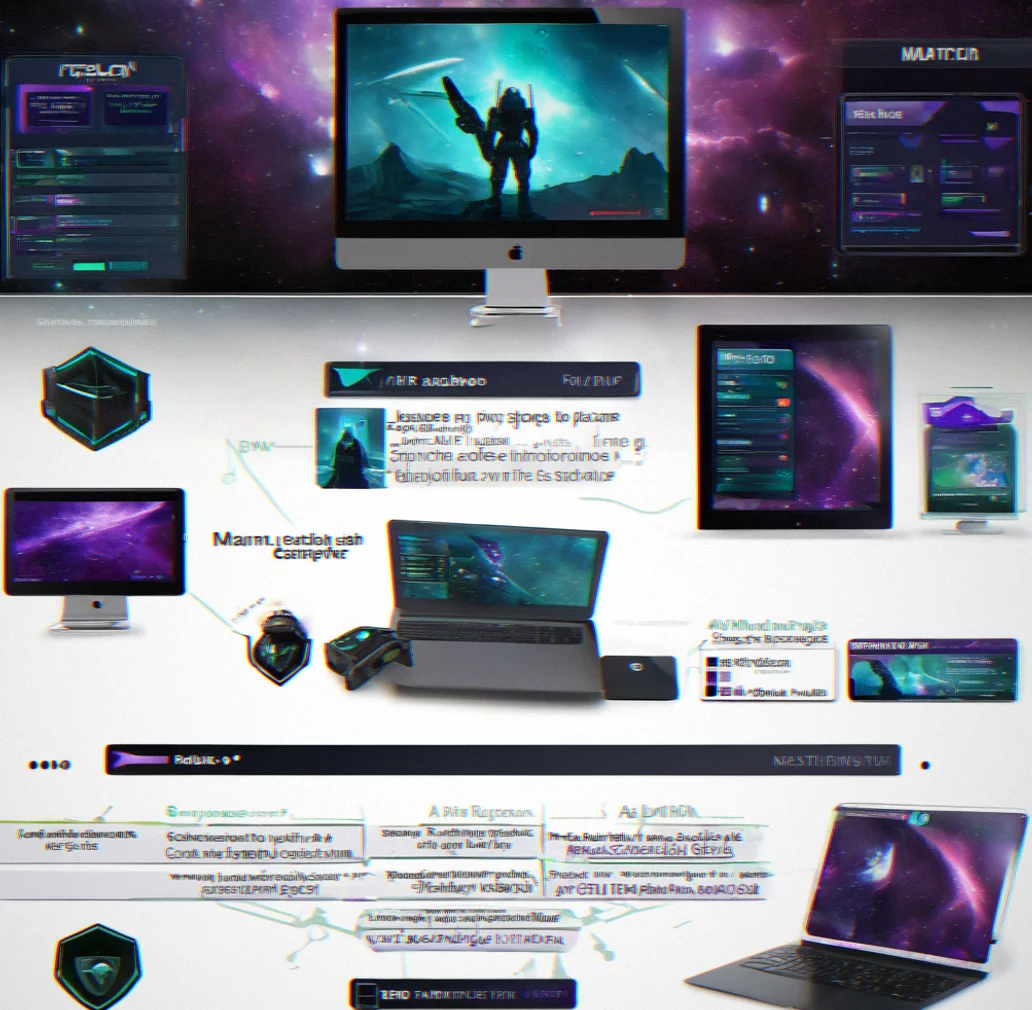
Split-screen showing the same ranked match interface on a mobile phone and desktop monitor with synchronized collection and MMR display

Mobile and Desktop. Same Account.

Start a ranked match on your phone at lunch, finish it on your laptop that night. Collection syncs instantly across devices. Your MMR stays the same. Mobile isn't some watered-down version either—the engine runs on mid-range hardware so you don't need a gaming PC to actually compete. Cross-platform play means you're in the same ranked pool whether you're on iOS, Android, Windows, or Mac. One account handles five factions and all the flexibility that comes with it.

6

Inside Stellar Deck

Six seasons of ranked play have built this world from the ground up. These are the moments that made it what it is.

Void Syndicate battlefield with corrupted void crystals spreading across orbital platforms, creatures cloaked in entropy fog

Watch Void Syndicate corruption spread during a ranked match

Celestial Collective orbital grid showing three lanes with line-of-sight connections between allied star stations

Where you place your cards matters because they can only interact with what they can see

Rogue Corsair vessel mid-plunder, stealing a card from opponent's deck library with crackling energy tendrils

Corsairs turn chaos into advanatge by stealing from your deck

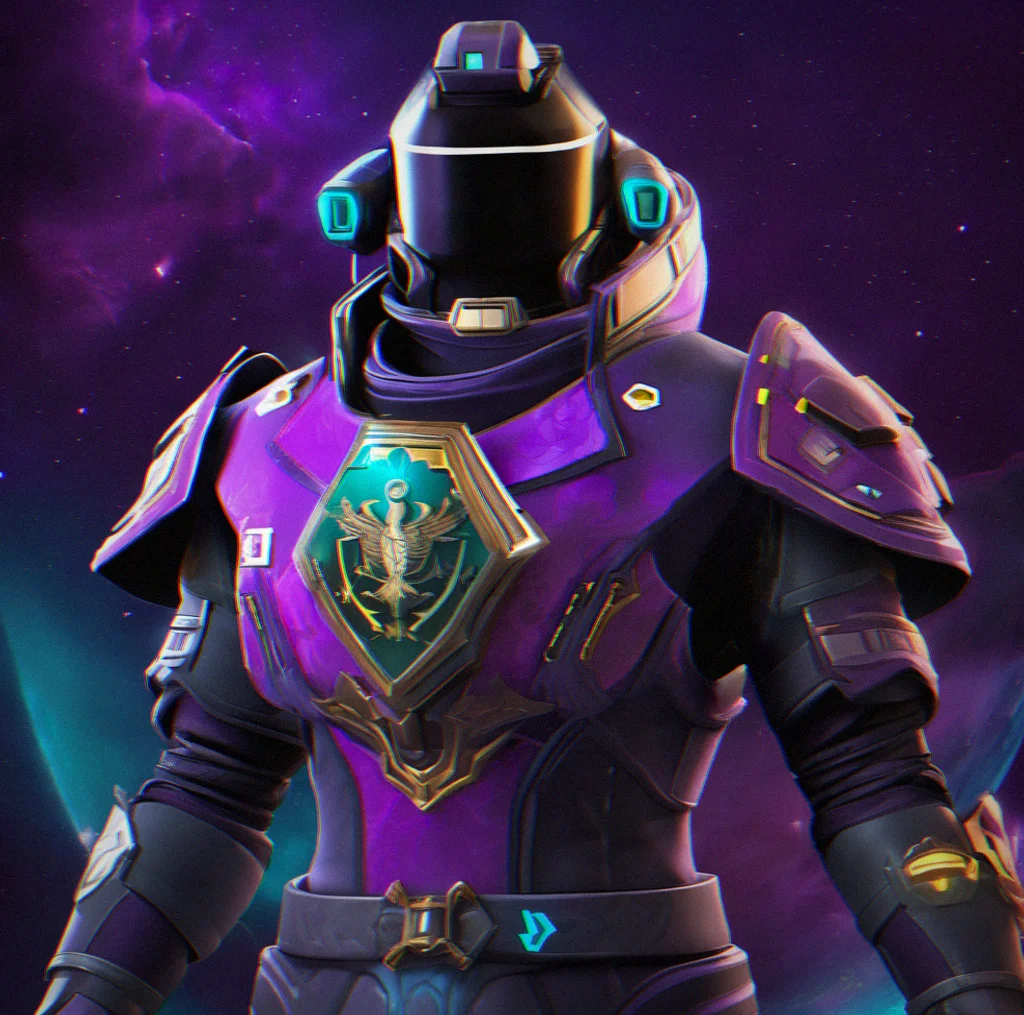
Admiral rank cosmetic armor piece glowing with seasonal achievement insignia, displayed on player profile screen

Your cosmeitcs tell the story of how far you've climbed each season

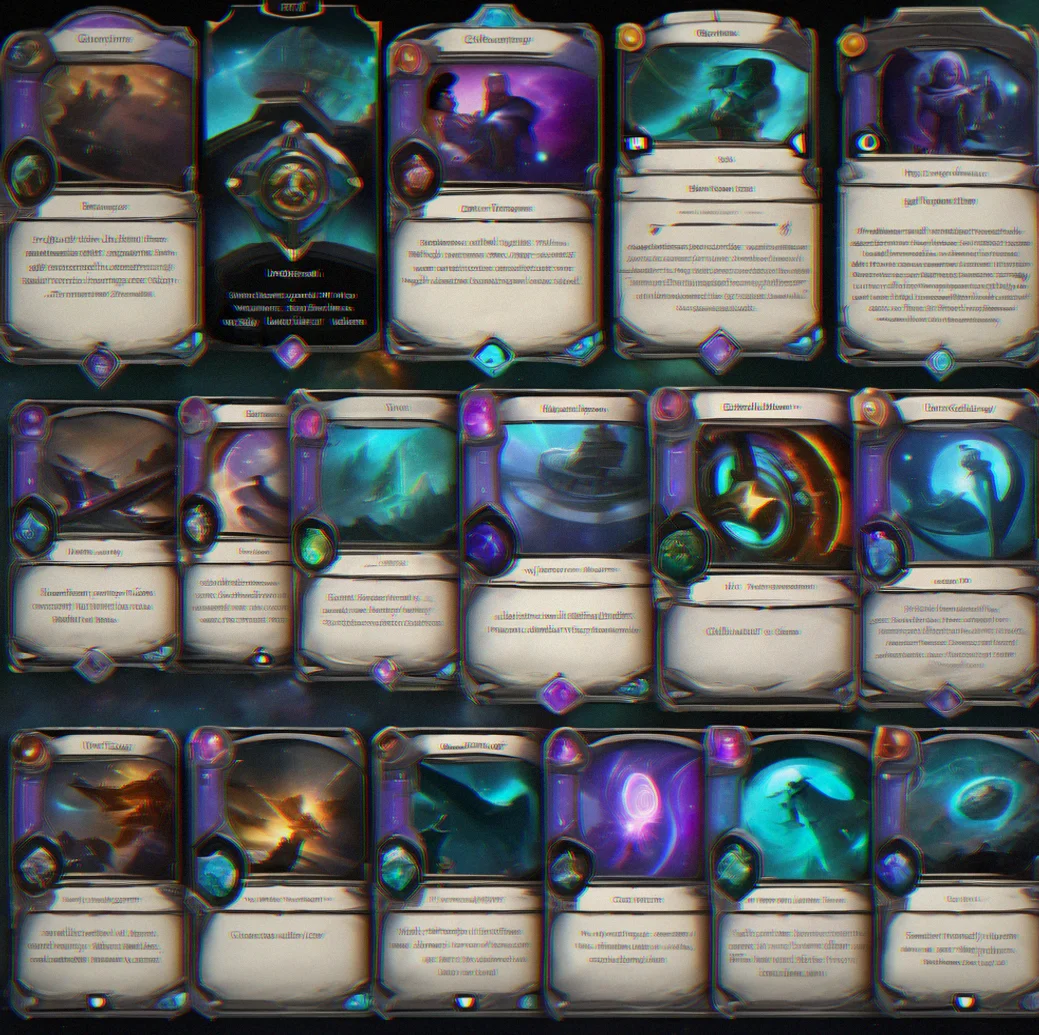
Deck building interface showing 40-card Void Syndicate list with mana curve graph and sacrifice synergy nodes highlighted

Building a deck respects what makes your faction unique

Split view showing identical ranked match in progress on both mobile phone and desktop monitor, MMR synchronized

Play on your phone, switch to your computer, and pick up right where you left off

How Stellar Deck Actually Works

Five faction selection buttons arranged horizontally, each displaying unique color scheme and symbol representing Void Syndicate, Celestial Collective, Rogue Corsairs, Ironbound Legion, and Luminous Order

Pick Your Faction

Five completely different playstyles waiting. Void Syndicate leans into sacrifice synergies. Celestial Collective rewards positioning and collaboration. Rogue Corsairs thrive on plunder and volatility. Ironbound Legion scales through mech synergies and armor. Luminous Order builds economic engines that compound over time. Pick one and learn it or jump between them. Your rank follows you across all factions.

Deck building interface showing 40-card list with mana curve visualization, wildcard crafting options and synergy highlights

Build Your Deck

Minimum 40 cards. Most cards cap at 3 copies, Legendaries at one. Your mana curve matters because you start with 1 mana each turn and cap at 10. Tempo checks matter. Resource generation matters. You'll lose if you can't answer threats on schedule. Crafting uses wildcards that come through ranked rewards, not just from spending.

Vertical ranking system showing Cadet through Commander to Admiral with MMR progression bars and seasonal cosmetic rewards

Climb the Ranked Ladder

Queue ranked and you face players at your skill level. Matchmaking tracks MMR separately from your visible rank, so climbing feels earnable but never easy. Seasons reset every 8 weeks. You go from Cadet to Admiral across 30 ranks. Around 8 percent of the playerbase hits Admiral each season, though that number shifts.

Admiral rank cosmetic bundle displaying faction-themed card sleeves, premium avatar border, exclusive board skin and seasonal achievement badge

Earn Seasonal Rewards

Your highest rank that season locks in cosmetics, wildcards and narrative unlocks tied to that faction's story arc. Cosmetic sleeves, avatars and board skins all reflect faction identity. Each season advances one faction's lore thread. What the community does in seasonal events shapes which lore threads continue into Season 5 and beyond. This isn't just window dressing.

Side-by-side display of ranked match interface running simultaneously on mobile phone and desktop monitor with synchronized collection and MMR

Play Cross-Platform

Desktop client on Windows or Mac. Mobile on iOS or Android. Your collection and rank sync instantly across all platforms. Start a match on your phone and finish on your laptop. There's no second-class mobile experience here. The engine runs on mid-range hardware. Same matchmaking pool. Same MMR. One account everywhere.

Card detail view showing Entropy Echo with corrupted void artwork, mechanical ability text, and lore flavor text explaining faction philosophy

Understand the Lore

Cards exist for reasons rooted in faction cosmology. The Void Syndicate's "Entropy Echo" isn't random. It reflects their belief that entropy can be harvested. Corsairs have a different "draw two cards" effect based on theft because that's how they operate. Understanding this framework makes deckbuilding feel intuitive. You're not memorizing stats. You're extending a universe's internal logic.

Getting Started

Build Your First Deck in Half an Hour

Finish the tutorial and you can already make a working 40-card deck. Pick a faction, understand what it does and start filling your deck. Nothing locks you out until you've played for weeks. Within an hour you're in ranked matches against people at your level. The game matches you based on skill rating, not how many cards you own.

You get cards two ways: packs from currency you earn while playing, and wildcards that let you craft any card at a given rarity. Your starter pack gives 5 card packs and one guaranteed Rare. That's enough to build a single-faction deck in a week if you play daily. Some people mix two factions together later but that needs a bigger collection and better understanding of the meta. Most beginners stay with one faction because it's simpler that way.

No Pay-to-Win Mechanics

Paid currency gets you cosmetics only. The Battle Pass speeds up rewards a bit, but you can get competitive decks for free in a month or two.

Wildcards Drop From Ranked Play

Climb the ladder, finish seasonal events, or clear story missions and you'll get wildcard progress. No paywall blocking you.

New Cards Drop Every 8 Weeks

Each season adds 30 or 40 new cards that open up fresh strategies and change what wins. Timing lines up with ladder resets.

Story Tied to Your Faction

Each faction has its own seasonal story. Player votes actually change what happens next.

Questions

Frequently Asked

Real questions from new players. Straight answers, no sales pitch.

Is this pay-to-win?

Nope. You can't buy cards with real money. The premium currency gets you cosmetics, battle pass levels and cosmetic bundles—stuff that looks nice but doesn't win games. If you play casually for a month or two, you'll earn enough wildcards to build a competitive Tier 1 deck through ranked rewards and story campaigns. And the matchmaking doesn't punish new accounts, so you're playing against people at your skill level regardless of how many cards you own.

Can I actually compete without spending anything?

Absolutely. Plenty of Admiral-ranked players got there on free-to-play collections. You pick up wildcards from ladder climbing, monthly tournaments, and seasonal events. The whole economy is built so your deck doesn't depend on how much you're willing to spend.

What happens if I switch factions halfway through a season?

Your MMR follows you across factions. Hit rank 20 with Void Syndicate, then jump to Rogue Corsairs—you stay at rank 20, just now you're learning a faction with completely different mechanics. Your seasonal cosmetic rewards are locked in at whatever your highest rank was that season, no matter which faction you're playing when you claim them.

Does the mobile version feel gimped compared to desktop?

The whole thing was built to run on mid-range phones. No need for expensive hardware. You get hand-drawn artwork, a clean interface, and smooth animations whether you're on iOS or Windows. Cross-platform sync is instant too—start a ranked match on your phone, finish on your computer without any hiccups. Some people mention occasional stutters on slower connections, but the actual game doesn't feel different between platforms.

How long does a ranked match actually take?

Most ladder matches sit somewhere between 8 and 12 minutes. Tournament matches are longer—closer to 25 or 40 minutes in best-of-3 because both players are thinking harder and the branching decisions pile up. If you're casually grinding ladder, you're looking at 4 or 5 matches an hour.